
Coping with a loss of a loved one
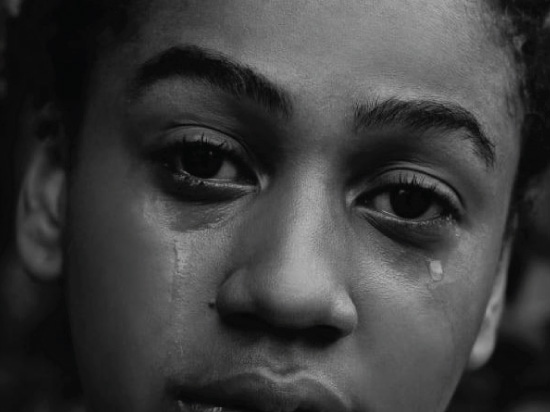
Guide to Grieving and Bereavement
Working through your grief can be a painful process, but it is necessary to ensure your future emotional and physical well-being. Experts believe that if you do not grieve at the time of death, or shortly after, the grief may stay bottled up inside you. This can cause emotional problems or physical illness later. You may experience any of the following when you grieve:
• Numbness, the sense that none of this is real you ‘re just imagining it
• Expecting your deceased loved one to come back and be able to resume life as usual
• Experiencing your loved one communicating with you after death
• Difficulty paying attention or remembering things as well as you did before your loss
• A sense of anger, injustice, vexation or helplessness about your situation
• Feelings of incredible emptiness, loneliness, self-accusation or despair
• Guilt—if only you had done more, been nicer, not left home, etc.
The following are typical physical symptoms of grief:
• Difficulty going to sleep, or waking in the middle of the night
• Weight loss or gain; over- or under-eating
• Low energy or fatigue
• Headaches, chest pain or racing heart
• Upset stomach or digestive problems
• Hair loss
When you understand that grieving people have similar thoughts, feelings and physical sensations, you can be assured that what you are going through is completely normal. For example, mood swings (you feel fine one minute and then suddenly you burst out crying) need not take you by surprise. What ‘s more, it is entirely possible to have a decrease in symptoms for quite a while and then suddenly experience a relapse‘ when something reminds you of your loved one—or for no explainable reason at all.
Are there stages of grief?
According to David Kessler, co-author with Elisabeth Kubler-Ross of the last book written before her death: The five stages, denial, anger, bargaining, depression and acceptance are a part of the framework that makes up our learning to live with the one we lost.
They are tools to help us frame and identify what we may be feeling. But they are not stopping on some linear timeline in grief. Not everyone goes through all of them or in a prescribed order. The stages have evolved since their introduction and they have been very misunderstood over the past three decades. They were never meant to help tuck messy emotions into neat packages.
They are responses to loss that many people have, but there is not a typical response to loss as there is no typical loss. Our grief is as individual as our lives. Other experts use terms like phases or cycles to describe the process most experienced by people when facing their own diagnosis of a terminal illness. Friends and family members go through a similar process, cycling back and forth between the different intense emotions. These phases are often experienced in the sequence described below, but individuals can cycle through these feelings in a different order and can return to previous phases as grief is processed. It is also entirely possible to feel more than one emotion simultaneously, perhaps to a greater or lesser degree.
Phases of Grief
Phase 1
Denial Upon hearing bad news, the most common reaction is a feeling of numbness or shock. We may experience disbelief: “That is not possible … there must be some mistake … you must have the wrong person, the wrong medical records … that can’t be true or happen to me!” The mind-body has incredible defence mechanisms. If we pretend that something isn‘t true, then somehow the blow is softened. At any moment, our loved one could reappear, or so we imagine. Time seems to briefly suspend itself, at least until the cruel reality of the truth sets in.
Phase 2
Anger
We may get angry at the messenger who delivers the news, the doctor, the person who caused us this pain (even if that person is now deceased), at anyone we can hold responsible for our grief, even at God. This reaction is perfectly understandable. There is a need to know why this happened and whether the loss could have been prevented. ―Who is at fault? we question. Somehow pointing the finger allows us to divert the pain from the core of our being where it rises and threatens to overwhelm us. Others may turn their anger inwards and blame themselves for what happened.
Phase 3
Bargaining
We may try to negotiate the situation, either with another person involved, or with God: “Please give me one more chance and I promise things will be better … I will change … If you will reverse this, then I will ___ in return.” This is kind of magical thinking where we believe our actions will meet with the desired outcome. Some people attempt to strike a deal with their Higher Power: to stop smoking, to find more time to spend with family, to offer an apology that‘s long overdue. At some point, though, we face our limitations in holding up our end of the deal. No matter what we say or do, the bitter truth is that things will not go back to the way they were before. And that‘s when the next phase hits.
Phases of Grief
Phase 4
Depression
When we realize the loss is real and unchanging, we may sink into a deep sorrow. Though Dr. Kübler-Ross dubbed this phase depression, ‘ it is more accurate to describe it as more a combination of loss and loneliness and perhaps hopelessness. We may feel remorse or regret, rehearsing over and over what we could have done differently. Or perhaps we feel guilty that we are still able to enjoy life while our loved one no longer can. This intense experience of sadness leaves us with sparse energy for housework or outside activities. It is common to find ourselves sobbing over the smallest little thing or crying for days on end. Whether or not we have a terminal illness, we may feel our life is over. Some may consider or attempt ending their lives.
Phase 5
Acceptance
Time, in and of itself, will not heal our wounds. We may miss being able to share our life with that person, no matter how long it‘s been since they passed away. We don‘t have to forget how much our loved one means to us in order to move on. If we can come to terms with the reality of the situation, recognize it as a fact of our lives, and gradually let go of the struggle against the tide of emotions that we experience, we can move beyond our suffering. Even with our new circumstances, we can find peace within ourselves.
Phase 6
Anger We may get angry at the messenger who delivers the news, the doctor, the person who caused us this pain (even if that person is now deceased), at anyone we can hold responsible for our grief, even at God. This reaction is perfectly understandable. There is a need to know why this happened and whether the loss could have been prevented. ―Who is at fault? ‖ we question. Somehow pointing the finger allows us to divert the pain from the core of our being where it rises and threatens to overwhelm us. Others may turn their anger inwards and blame themselves for what happened.
Is it normal to feel so much pain?
Yes. Grief is a normal process. Intense emotional pain is not uncommon and supports rather than restricts healing. This pain might be felt as physical distress – burning, searing, can‘t-catch-your-breath pain. You may also experience a sense of longing that can:
• Re-surface from time to time for years
• Sneak up and surprise you out of the blue
• Be expected and anticipated, such as the anniversary date of a loss, or a visit to that particular location that carries reminders of the lost person
It is impossible to predict the course of your grieving. And yet … life goes on and appreciation for it can grow. Along the way, the burden becomes lighter, perhaps because you grow stronger. Eventually, you regain meaning and purpose in life even as you feel the loss:
• You can play again
• You can laugh with a friend
• You begin to look forward to other experiences in your life
• You feel joy. It is not unusual to experience feelings of relief if the relationship with the deceased was exhausting or destructive for the family. It does not, in any way, disrespect the loss—it is healthy and life affirming to get on with the business of living.
The ‘work’ of grief includes:
• resolving any past grief
• fully acknowledging and accepting the intensity of present grief
• hurting, even though it is not pleasant
If you don ‘t allow yourself to have that experience, you are blocking your healing. Instead of trying to deny or medicate the pain, realize that the hurt is necessary for you to heal. Our experience of mental suffering offers us the chance to grow stronger in the process.
What are some strategies to cope with grief after the loss of a loved one?
Death is part of life; hanging on will not prolong your loved one ‘s life or bring them back. Letting go and surrendering to the grieving experience, with the help of others, will bring comfort and solace.
Here are some other areas in which you can grieve well:
• Self-_expression
• Physical self-care
• Emotional self-care
• Good social support
One of the key elements of healthy grieving is allowing your emotions to surface in order to work through them. In the long run, trying to stuff down your feelings—in the belief that they will simply fade with time—is counter-productive. When ignored, grief causes pain that is sometimes so excruciating that people want to numb and escape it through alcohol or medications. But in blocking the grieving process you block the natural return to interest and meaning in life that follows the grieving process and is its real end point.
Take care of yourself through self-expression
• Talk. You deserve to express yourself at this difficult time, even though others may discourage or even reprimand you for having a strong emotional reaction. Talk about your loved one to others or to God (and encourage them to do so, too). If they are uncomfortable, gently let them know that part of your healing process is getting it off your chest.
• Write. Start or continue writing in a journal or diary. You may want to compose a letter to the deceased person to describe how you feel and say things you never got to say.
Some questions to write about:
• how would you spend the rest of your life if you only had a short time to live?
• Would you say or do things differently?
Be as honest as possible about how you feel.
• Create. You may want to create a special collage or other artistically inspired memento about your loved one, like a scrapbook. For those who are beginner artists, you can use memorabilia items or something symbolic like seashells. In the process, your thoughts and feelings may become clearer as you provide a creative outlet for _expression. This exercise also may bring up other feelings that you need to face.
• Remember. Let this be an opportunity to reflect on the good times. Looking back, what do you appreciate about the contributions of your loved one?
• What are the moments together that you cherish the most? Do things to honour and remember your loved one: if they loved flowers, plant a garden in their honour or help others plant gardens; support the causes and organizations that were important to your loved one.
Take good physical care of yourself
• Get enough sleep. A regular sleep routine will be of benefit. If you are tired during the day, give yourself a chance to sit or lie down. Resting your body will help your emotional recovery.
• Avoid chemicals. Though you may crave a chemical to help you get through this time, try your best to steer clear of substances like alcohol, caffeine, nicotine, because their side effects can be unhelpful in the long-term. For instance, instead of coffee, opt for green tea, which is less jolting to your energy.
• Exercise regularly. If you are physically able, take a brisk walk in the morning or at lunchtime. Choose something that will motivate you to get out of bed. For more tips on how to begin an exercise routine no matter what your age,
• Eat well. Even if it is the furthest thing from your mind, pay attention to the quality of what you eat. Take the time to eat nutritious meals while sitting down, avoiding processed or fast food (even though you may be pressed for time and not feel like cooking). For more information on optimal nutrition, especially when you must eat out,
 Take care of yourself emotionally
• Have fun. Is there a book that you have wanted to read or a movie you haven ‘t had time to see? This is the time to do it. Whether it’s listening to uplifting music or getting a massage, do what makes you happy.
• Forgive. The death of someone you love brings an end to opportunity to communicate. You may be reminded of the need to forgive that person for a past hurt—and forgive yourself if need be—then move on. Maybe you said something you regret. Perhaps you wish you had done more at the time. In your grief, you may have felt embarrassed, guilty or angry (which is completely understandable). Let yourself off the hook and apply that energy into something positive.
• Plan ahead. Anniversaries and holidays bring their own challenges. You may feel especially emotional a year after your loved one dies, on their birthday or another significant marker. Attending an event such as a graduation, wedding or funeral can be highly charged, as well. This is a completely normal reaction. In order to prepare, talk to other members of your family to find out what their expectations are. Decide together how you would like to change your traditions while honouring the memory of your loved one.
• Get the support you need. There are people who want to help you get through this time—friends, loved ones, pastoral counsellors, bereavement counsellor, trained laypersons and professionals. Often people want to help, but don‘t know what to do.
• Accept help that feels good. It‘s alright to tell people who want to help how they can best help you. One of the most helpful things might be to prepare healthy meals for you.
• Some people can take time to just listen and hold you as you cry.
• A good friend might even laugh with you, in the midst of your pain. It is important to have an outlet for sharing grief, even for people who aren‘t usually comfortable talking about their feelings. Humans are social creatures and knowing that others know and understand will make you feel better, less alone with your pain. Many support groups exist for the general public as well as specific populations, such as grieving parents and suicide survivors. Whatever the nature of your loss, connecting with others will help you heal. You will know how far you‘ve come when you can share another‘s pain and know the possibility of recovery.